

A runner who wants live effort data on a watch has different needs from someone who wants a simple tracker without carrying a phone. Choosing the wrong design can leave you with a sensor your equipment cannot recognize, a strap that does not fit, or an app-dependent device when you wanted a standalone display.
This guide to Best Workout Heart Rate Monitors compares a standalone-style fitness watch with chest straps that use Bluetooth and ANT+. It focuses on compatibility, fit, battery care, water resistance, cleaning, and the type of activity you plan to track. For more options in this category, see our Heart Rate Monitors category.

Pros
- Basic tracking without a phone or app
- Nine sport modes included
- Heart-rate and sleep monitoring
- Five to seven days battery life
- IP68 water-resistance rating
Cons
- Cannot make calls or send texts
- Phone notifications and some features require app connectivity
- Who should skip it: Swimmers and phone-free notification seekers

How to Choose Among the Best Workout Heart Rate Monitors
Choose the tracking format you will actually use
The first decision is whether you want a wrist-worn activity tracker or a chest sensor that sends data to another device. The LIVIKEY Fitness Tracker Watch with Heart Rate is listed with a display, pedometer, sleep monitoring, stopwatch, alarm, and nine sport modes. Its listing emphasizes use without an app or phone, although it also refers to app-based settings and compatibility with iPhone and Android phones. Verify the exact functions available in the mode you plan to use.
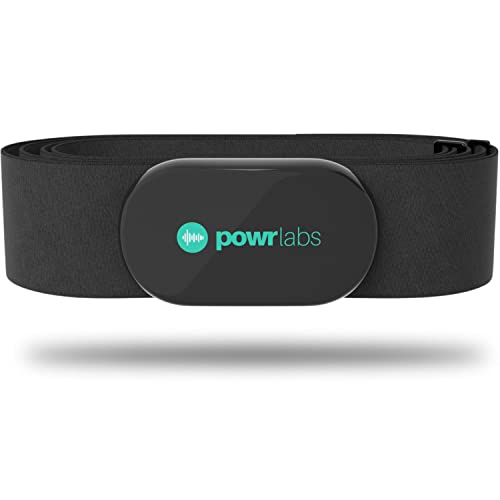
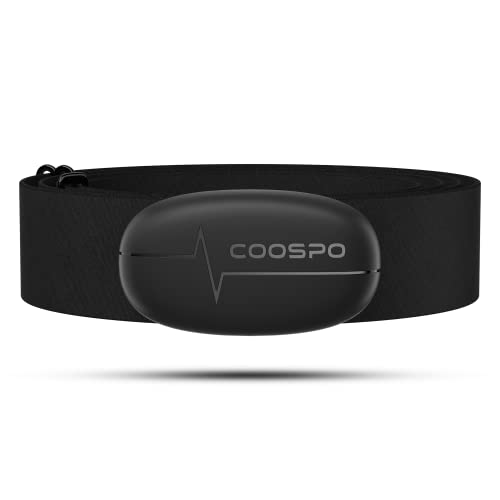
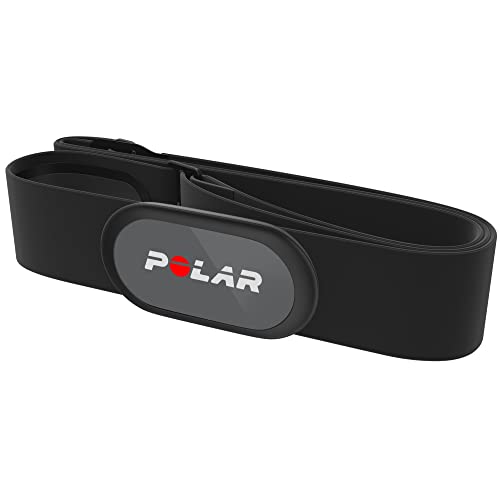
A chest strap is a different setup. The POWR LABS, COOSPO H6, COOSPO H6M, and Polar H9 options send heart rate data to compatible phones, watches, bike computers, apps, or fitness equipment. This can suit structured training when you already watch zones on a Garmin, Peloton, cycling computer, or app, but it is less convenient if you want the sensor to show information by itself.
Check Bluetooth and ANT+ compatibility before ordering
Dual connectivity expands the number of receiving devices, but it does not guarantee that every device or app will pair. The POWR LABS and both COOSPO chest straps list Bluetooth and ANT+ support. The COOSPO H6 specifically names apps including Strava, Wahoo Fitness, Polar Beat, Zwift, and Coosporide, and lists compatibility with exercise equipment such as Peloton, Concept2, NordicTrack, Bowflex, Pro-Form, iFIT, and Echelon. The H6M listing also names Wahoo Fitness, Polar Beat, Zwift, supported Peloton equipment, and compatible phones, watches, bike computers, and fitness equipment.
Polar H9 is also listed with ANT+ and Bluetooth and is described as compatible with heart-rate-monitor-compatible equipment. Before buying, identify the receiving device, check whether it accepts an external heart rate sensor, and confirm whether pairing occurs in the fitness app rather than in the phone’s general Bluetooth menu. The H6 instructions specifically direct users to pair through the app’s sensor settings.
Match the strap size and fit to your body
A chest monitor needs close, consistent contact with the skin. The COOSPO listings describe an adjustable soft strap, while the POWR LABS listing gives an adjustment range of 24 to 61 inches. Polar H9 is offered in an M-XXL size covering 26 to 36 inches, and the product information also references an XS-S size covering 20 to 26 inches. Confirm which size variant is being sold before ordering.
Moistening the electrode areas is part of the supplied use guidance for the COOSPO H6, and the H6M listing instructs users to fasten the strap snugly against the skin with the logo upright. A chest strap may be a better fit for interval, cycling, or indoor equipment sessions where you want continuous data sent to a display. If you dislike chest straps or want steps and sleep information as well, the LIVIKEY watch presents a broader everyday tracking format, though its heart rate data should not be treated as medical measurement.
Compare battery routines and sensor upkeep
Battery style affects how much maintenance your routine requires. The POWR LABS listing specifies more than 400 hours from a replaceable battery, while COOSPO H6 specifies 300 hours with a replaceable CR2032 battery. Polar H9 uses an included CR2025 button cell, and its listing warns that another battery size can cause malfunction or damage. These chest straps avoid frequent charging, but you will need replacement cells eventually.
The LIVIKEY watch is listed with a two-hour charging period and five to seven days of continuous use. That is more convenient for someone who prefers a rechargeable wearable, but it creates a charging task that the long-life chest straps generally avoid. For cleaning, separate the sensor from the COOSPO H6 strap after exercise as directed, and follow the product’s care instructions rather than assuming a water-resistant rating makes every component suitable for soaking.
Interpret water-resistance claims conservatively
The LIVIKEY watch is listed with an IP68 rating for daily sweat, hand washing, and rainy conditions. The POWR LABS strap is listed as IPX67 and described for sweat, rain, and swimming under a wetsuit. However, the COOSPO H6 listing specifically says not to use it for swimming or soak it, and the COOSPO H6M information limits its IP67 claim to sweaty indoor sessions and rainy outdoor training.
These differences matter if your routine includes water. For ordinary workouts, sweat, or rain, the listed ratings may provide useful guidance. For swimming or prolonged immersion, do not generalize one product’s claim to another, and verify the exact model’s instructions before use.
How We Compared These Products
We compared the supplied product listings, including tracking functions, connection types, stated compatibility, sizing information, battery details, fit guidance, and water-resistance claims. The comparison also considers the stated customer ratings, but the provided data shows no review counts or firsthand editorial use, so recommendations are based on product research rather than direct product experience. Claims such as accuracy are treated as manufacturer or listing claims, not independent measurements.
Which Option Fits Your Workout?
For phone-free everyday activity tracking: Wearable fitness equipment shoppers who want steps, sleep information, alarms, and multiple activity modes may prefer the Fitness Tracker Watch with Heart Rate. Its listed functions are broader than those of a basic chest sensor, and the listing emphasizes no app or phone requirement. Pros include a watch display, activity tracking, sleep monitoring, and five to seven days of listed use. Cons include ambiguity around which features require the app and no listed support for ANT+ equipment. Who should skip it: athletes who need a dedicated external sensor for a bike computer, gym machine, or structured app workout.
For broad equipment and app connectivity: The POWR LABS Bluetooth ANT+ Heart Rate Monitor Chest lists dual Bluetooth and ANT+ connectivity, compatibility with Garmin, Wahoo, Polar, Peloton, and more than 400 fitness apps, plus a 24 to 61 inch adjustment range. Pros include the broad stated connection range, replaceable battery, and listed 400-plus-hour battery life. Cons include the need for a compatible receiving device and a chest-strap fit. Who should skip it: anyone who wants the monitor to function as a standalone watch or who does not want to manage a chest strap.
For cycling and indoor equipment on a budget-conscious setup: The COOSPO H6 Heart Rate Monitor Chest Strap Bluetooth lists Bluetooth and ANT+, support for several training apps, bike computers, sports watches, and gym equipment. Pros include replaceable battery operation, stated 300-hour battery life, and clear pairing guidance. Cons include the instruction not to swim or soak the unit and the need to moisten the electrodes. Who should skip it: users who need a wrist display, sleep tracking, or a swimming-oriented device.
The COOSPO Heart Rate Monitor Chest Strap is another option for running, cycling, treadmill sessions, fitness classes, and compatible apps. Pros include dual connectivity, a stated soft adjustable strap, and guidance for zone-based training. Cons include reliance on a compatible receiver and a water-resistance claim that is not intended for swimming or prolonged soaking. Who should skip it: buyers who need an independent screen or a tracker with broader daily wellness features.
For shoppers who prioritize an established sensor platform and size selection, the Polar H9 Heart Rate Sensor – ANT + / Bluetooth lists Bluetooth and ANT+ connectivity, a soft chest strap, and M-XXL and XS-S sizing references. Pros include dual transmission and a replaceable CR2025 battery. Cons include the need to select the correct size and use a compatible receiver, with no standalone display listed. Who should skip it: someone seeking a watch-style tracker with steps, sleep, alarms, and on-wrist controls.
Frequently Asked Questions
Do these chest straps work without a phone?
The chest straps transmit data to a compatible receiver, such as a sports watch, bike computer, fitness machine, or app. They do not provide a standalone display in the supplied information. The LIVIKEY watch is the listed option specifically promoted for use without an app or phone, although some settings may involve its app.
Which products use both Bluetooth and ANT+?
The POWR LABS chest strap, COOSPO H6, COOSPO H6M, and Polar H9 are listed with Bluetooth and ANT+ connectivity. You should still confirm that your particular watch, app, bike computer, or exercise machine supports an external heart rate sensor.
Can I swim with any of these monitors?
Do not assume so. The COOSPO H6 listing says not to use it for swimming or soak it. The COOSPO H6M listing excludes swimming and prolonged soaking, while the POWR LABS listing makes a swimming-under-a-wetsuit claim. Verify the exact model’s current instructions before using any heart rate monitor in water.
How should a chest strap fit?
Use the supplied fit guidance: place it snugly against the skin, and for the COOSPO H6M keep the logo upright. The COOSPO H6 instructions also say to moisten the plastic electrode areas before wearing it. Check the listed adjustment or size range against your chest measurement.
Are these heart rate monitors medical devices?
The supplied listings describe fitness tracking and do not establish medical accuracy or medical-device status. Use the information for workout guidance, and consult a qualified health professional for medical questions or concerns.
Which option tracks sleep and steps?
The LIVIKEY Fitness Tracker Watch with Heart Rate is the listed product that includes sleep monitoring, a pedometer, step counting, distance, calories, and active time. The chest straps are described primarily as heart rate sensors that send data to compatible devices or apps.
The practical choice is the format you will wear consistently. Select the watch for broader standalone-style daily tracking, or choose a chest strap when compatibility with a training device, cycling computer, or fitness app is the priority.




Write Your Review
No reviews yet. Be the first to share your experience!