

A runner who tracks intervals on a watch and a cyclist who uses a bike computer may need different connection options from someone who only checks heart rate in a phone app. Choose the wrong strap and you may run into pairing friction, a poor fit, or water-resistance limits that do not suit your activity.
This guide to Best Chest Strap Heart Rate Monitors compares the listed connection protocols, fit details, battery arrangements, and activity guidance. Use those differences to narrow down what should work with your devices and how you plan to train. For more sensor-based training gear, browse our wearables category.


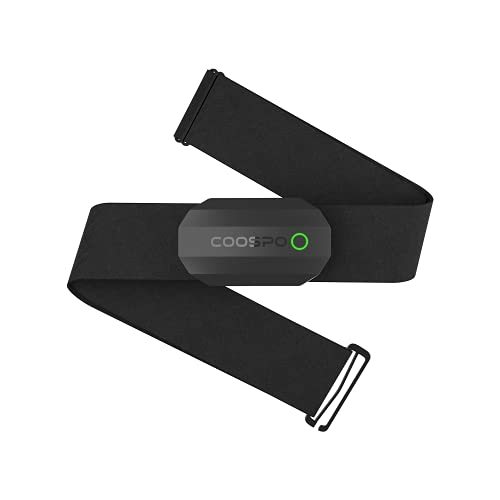
Pros
- Bluetooth and ANT+ transmission
- Support for multiple listed apps
- LED indicator and beep
Cons
- Electrode zones need moistening before use
- Fit range is not specified
- Who should skip it: users who need a documented fit range
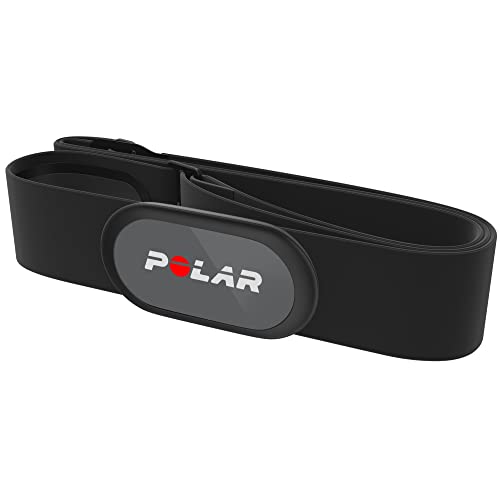
Pros
- ANT+ and Bluetooth connectivity
- Smartphone app connections
- Included CR2025 battery
- Listed 20- to 26-inch strap range
Cons
- XXS-S strap range may not fit larger users
- Who should skip it: people needing a strap outside the listed range



How to Choose Best Chest Strap Heart Rate Monitors
Check device and app compatibility first
Bluetooth and ANT+ are common routes for sending heart-rate readings to compatible watches, bike computers, phones, and gym equipment. A monitor advertising both protocols may offer more options, but the receiving device or app still needs to support the connection. Compatibility claims do not guarantee that every feature will appear in every app.
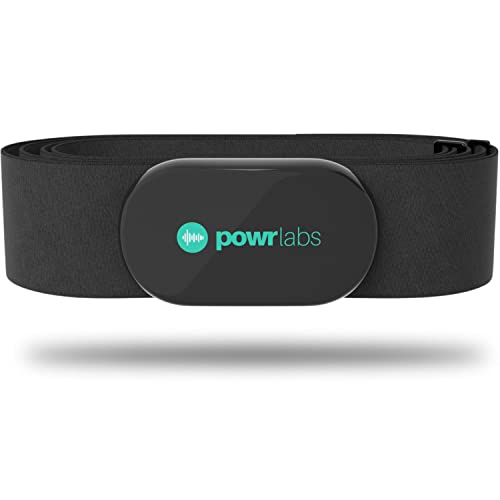
The POWR LABS Bluetooth ANT+ Heart Rate Monitor Chest and the COOSPO H808S models list dual Bluetooth and ANT+ connectivity. The Frontier X3 lists Bluetooth and names several devices and services. Before buying, check the exact pairing instructions for your intended receiver; several listings advise connecting from within the fitness app rather than from the phone’s general Bluetooth settings.
Get the strap fit and electrode contact right
A chest strap needs to stay comfortably in place and make contact at its electrode areas. Fit ranges are not consistent across these listings: Polar H9 gives size-specific chest ranges, while POWR LABS describes a broad adjustment range. Compare the actual size option and the strap range with your measurements rather than assuming that similarly named models fit alike.
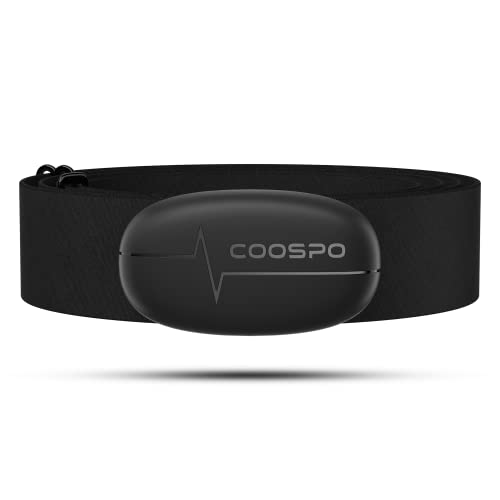
Several products, including the COOSPO H808S and H6, advise moistening the electrode areas before use. That practical setup detail can matter if readings do not appear promptly. The CYCPLUS H2Pro listing emphasizes a lightweight sensor and adjustable, breathable strap, but check the product’s current sizing information if fit is a deciding factor.
Match water resistance to your activity
Water-resistance wording should guide activity selection, not be treated as permission to swim with every strap. The GEOID HS500 and several COOSPO models list IP67 protection, but their supplied information says swimming is not recommended or that they should not be used for swimming. The CYCPLUS H2Pro lists IPX7, while the Frontier X3 listing says it is waterproof to 1.5 meters and names swimming among its intended activities.
If swimming is part of your routine, verify the specific model’s current instructions and any limits before purchase. For running, indoor cycling, or sweaty gym sessions, consider the stated resistance rating and care guidance, and do not infer that a rating makes a sensor suitable for every water exposure.
Decide between replaceable and rechargeable power
Battery type changes maintenance more than the basic tracking workflow. The CYCPLUS H2Pro lists a replaceable CR2032 coin cell and up to 500 hours of operation; the GEOID HS500 lists a replaceable CR2032 and up to 800 hours. These are manufacturer-stated figures, not a promise of identical runtime in every use pattern.
The COOSPO H9Z uses a rechargeable battery, so it avoids routine disposable-cell replacement but requires charging. The Frontier X3 also recharges and lists up to four months per charge. Choose a battery arrangement you are likely to maintain, and verify the required battery size for a replaceable-cell model. Polar H9 specifies a CR2025, which should not be substituted with another size.
Separate basic heart-rate tracking from added metrics
Most options here focus on heart-rate readings sent to a compatible receiver. If you want additional analysis, the Frontier X3 lists breathing rate, strain, HRV, training load, and vibration alerts through its app and dashboard. CYCPLUS describes HRV support, while other listed models emphasize real-time heart rate and broad connectivity.
More data is useful only if your app or training routine makes use of it. Confirm which metrics are available on your devices and whether the companion service fits your preferences. Wearable heart-rate and HRV features are training information, not a substitute for medical assessment.
Account for cleaning and post-workout care
Chest straps sit against sweaty skin, so care instructions affect day-to-day convenience. The COOSPO H808S listing recommends separating the sensor from the strap after a session and replacing the strap after a stated washing interval. Do not assume the sensor itself can be washed or immersed just because a listing gives a water-resistance rating.
Check the manufacturer’s instructions for detaching the sensor, washing the textile strap, and drying it. If several people will share a monitor, consider whether the strap can be adjusted and cleaned according to its specific care guidance.
How We Compared These Products
This guide is based on product research using the supplied listings, including stated connection protocols, fit information, battery type, water-resistance claims, and tracking features. The available customer feedback data does not provide review text to assess, and no direct-use findings were supplied. Manufacturer performance claims are presented as listing claims rather than independently verified results.
Which Option Fits Your Workout?
For mixed-device training: The POWR LABS Bluetooth ANT+ Heart Rate Monitor Chest lists both Bluetooth and ANT+ and names a wide range of equipment and apps. Its listing also gives a broad adjustment range, but check the current sizing details and the exact device pairing steps. Who should skip it: anyone who needs a rechargeable unit, since the listing describes a replaceable battery.
For a replaceable battery and long stated runtime: The GEOID HS500 Heart Rate Monitor lists ANT+ and Bluetooth, a replaceable CR2032, and up to 800 hours of battery life. Its listing does not recommend swimming, so it is a less suitable choice if swimming support is essential. Who should skip it: buyers who want a rechargeable battery or a model explicitly listed for swimming.
For extra training metrics and alerts: The Frontier X3 Smart Heart Rate Monitor Chest Strap lists breathing rate, strain, HRV, training load, and vibration alerts alongside heart-rate tracking. Those features may suit athletes who will use the companion app and dashboard, but verify compatibility and the specific features you need. Who should skip it: someone who only wants a straightforward heart-rate sensor and would not use the additional metrics.
Frequently Asked Questions
Will a chest strap connect directly to my phone?
It depends on the strap and the app. Several listings describe Bluetooth support and instruct users to pair through the fitness app’s sensor settings. Check that the app supports external heart-rate sensors and the monitor’s connection protocol.
Can I connect one monitor to more than one device?
Dual Bluetooth and ANT+ support can expand connection options, but it does not establish that every model can send data to multiple devices simultaneously. Confirm the device’s pairing limits and your equipment’s protocol support before relying on a particular setup.
How should a chest strap fit?
Use the model’s stated size or adjustment range and secure the strap as directed so the electrodes contact your skin. If the listing advises it, moisten the electrode areas before wearing. Verify your chest measurement against the exact size option, especially for size-specific products such as Polar H9.
Can I swim with an IP67 chest strap?
Do not assume so. The supplied GEOID and COOSPO information cautions against swimming for relevant models. The Frontier X3 listing specifically names swimming and states a waterproof depth, but buyers should still follow the model’s current instructions.
How do I clean a chest strap?
Follow the product’s care instructions, including whether the sensor must be detached before cleaning. Water resistance does not mean every component is washable. The COOSPO H808S listing recommends separating its sensor and strap after exercise and gives strap replacement guidance.
Should I choose a rechargeable or coin-cell monitor?
A rechargeable model avoids routine coin-cell replacement but needs charging. A replaceable-cell monitor can be convenient if you keep the specified battery available. Compare the listed battery type and manufacturer-stated runtime, and use only the battery size specified for that model.




Write Your Review
No reviews yet. Be the first to share your experience!